CryoSol
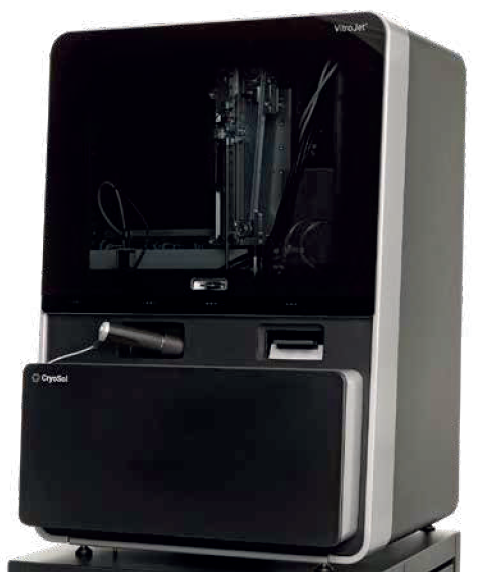
VItroJet
AUTOMATED CRYO-EM SAMPLE PREPARATION
It integrates advanced technologies such as pin-printing, jet vitrification, plasma treatment, and inline imaging to optimize every stage of the grid preparation process.
By enabling precise control over sample layer thickness and eliminating manual steps like blotting and clipping under liquid nitrogen, the VitroJet accelerates the cryo-EM workflow minimizing screening and improving reproducibility.
Compatible with any commercially available grid, the VitroJet is a versatile creative solution that streamlines the path from sample to structure.
PRODUCT FEATURES
AUTOMATED CRYO-EM SAMPLE PREPARATION
VitroJet streamlines the cryo-EM grid
preparation process through a fully integrated, automated workflow designed for
maximum reproducibility and minimal user dependence. Key built-in features such
as plasma treatment and automatic grid handling ensure consistent, high-quality
results across multiple runs. Since the system uses pre-clipped autogrids, the
preparation of the grids requires minimal user intervention. By eliminating
manual steps like post-clipping, VitroJet reduces the risk of sample damage and
contamination, preserving the integrity of vitrified specimens.
Throughout the sample preparation process,
users can set, fine-tune, and save critical parameters, enabling full control
and repeatability. Protocols can be easily standardized and reloaded, allowing
for faster setup, reducing human error, and enhancing reproducibility. By
automating cryo-EM sample preparation, VitroJet not only improves workflow
consistency, but also boosts lab productivity and helps accelerate structural
biology research.
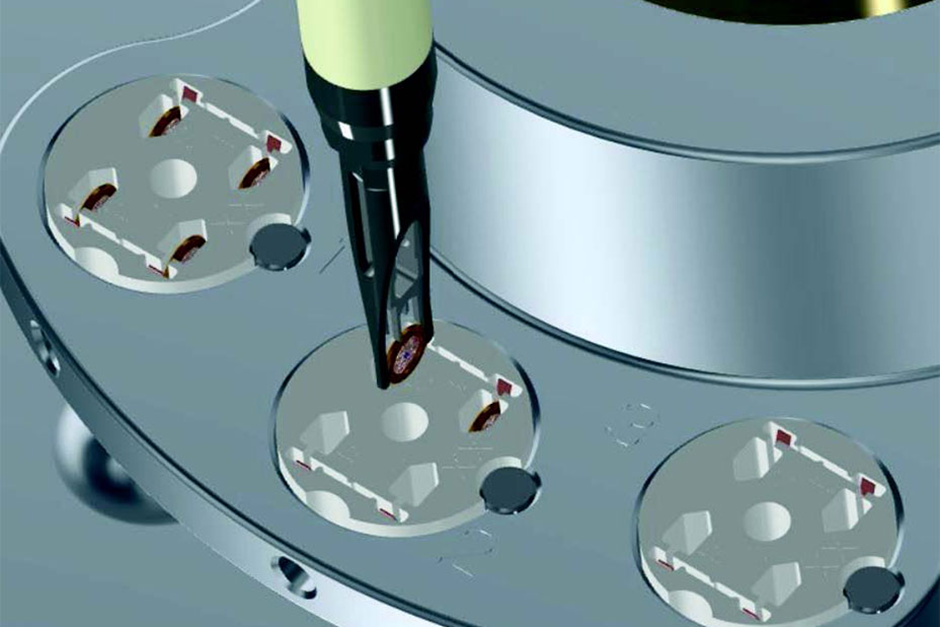
Pre-Clipping at Room Temperature
With room temperature pre-clipping
of autogrids, the VitroJet eliminates the need for delicate manual
operations traditionally performed under liquid nitrogen. This innovation
significantly reduces the training burden and fine motor skills required for
cryo-EM sample preparation.
Integrated Glow Discharge for Consistent Grid Wettability
VitroJet’s built-in glow discharger delivers a precise and consistent method for enhancing grid surface wettability that is critical for optimal sample spreading during cryo-EM preparation. With adjustable discharge time, users can fine-tune conditions to match specific protocol requirements, ensuring repeatable results and greater flexibility across a range of sample types.
Pin-Printing Technology for Precise Sample Deposition
VitroJet’s unique blot-free pin-printing
technology enables highly controlled deposition of ultra-thin sample layers
using sub-nanoliter volumes. With nanometer-scale precision, the system
delivers consistent and reproducible sample application directly onto the grid.
Key parameters such as writing velocity and
pin-to-grid standoff distance, can be adjusted to finely tune the final layer
thickness, making the process highly adaptable to different sample types and
research needs. Integrated dewpoint control minimizes evaporation and
condensation, ensuring stable environmental conditions throughout deposition.
By eliminating the need for conventional blotting, this approach reduces the risk of mechanical damage to both the sample and the grid, improving sample integrity and data quality for high-resolution cryo-EM.
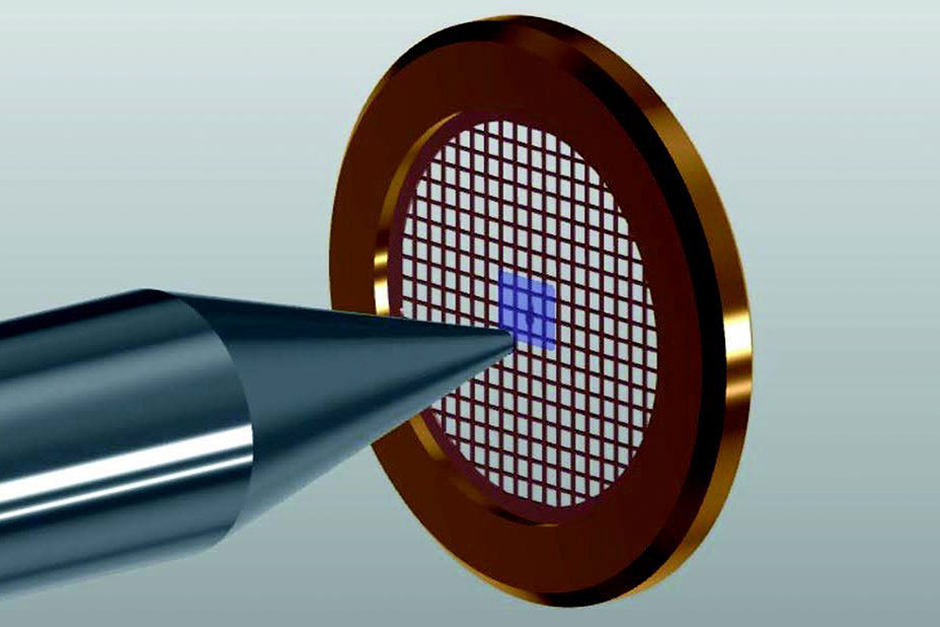
Jet Vitrification for Superior Cooling and Grid Integrity
VitroJet’s jet vitrification technology
initiates rapid cooling at the center of the grid, ensuring that the sample
vitrifies first. In traditional plunge freezing, the grid cools before the
sample. This targeted approach improves vitrification quality and preserves
sample structure.
The high cooling rates achieved through jet vitrification also make it possible to vitrify pre-clipped autogrids, expanding compatibility with modern cryo-EM workflows and eliminating the limitations of conventional freezing techniques.
Integrated High-Resolution Camera for Real-Time Monitoring
VitroJet features a built-in
high-resolution camera that provides real-time visualization of the entire
sample deposition process. This allows users to continuously monitor deposition
quality, ensuring optimal sample placement before cryo-EM screening.
By validating sample quality upfront,
researchers can reduce failed runs and accelerate time to results. All process
data, including videos, images, and preparation settings, can be logged for
documentation, reproducibility, and protocol refinement, supporting a more
efficient and traceable cryo-EM workflow.
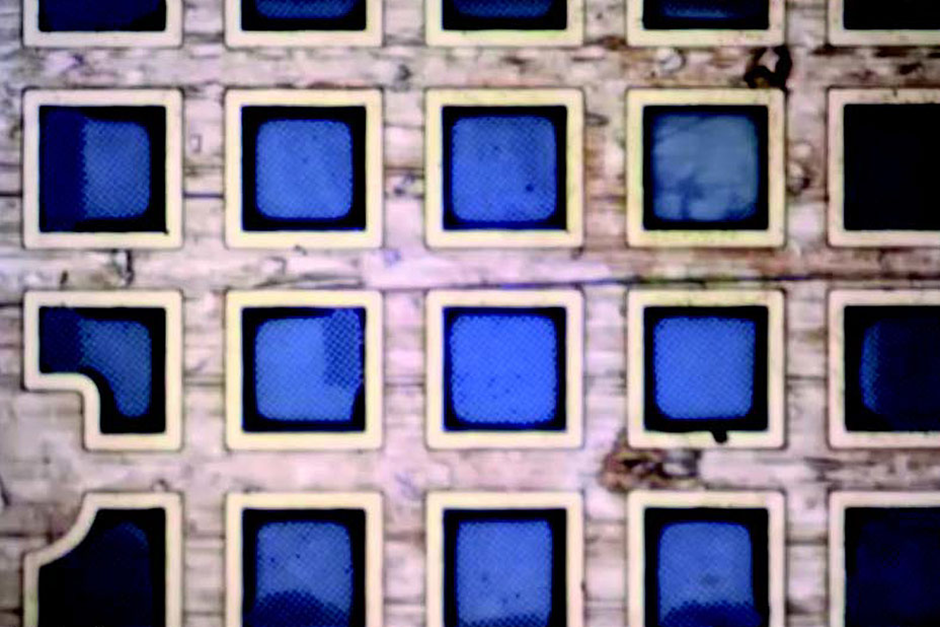
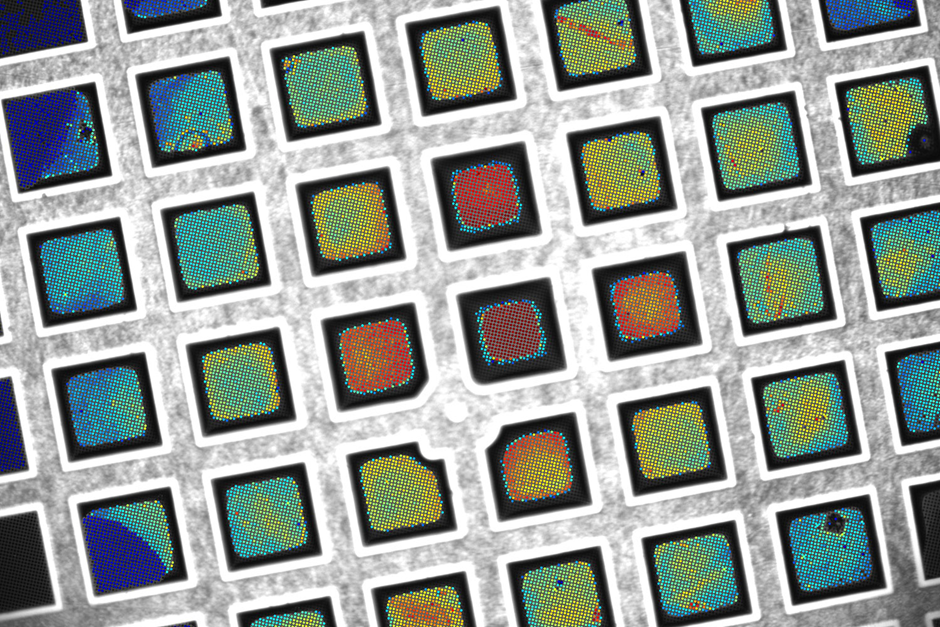
Ice Thickness Prediction for Efficient Grid Screening
A color-coded overlay provides immediate
visual feedback: red indicates thicker regions, while dark blue highlights
thinner, optimal areas. This intuitive visualization closely correlates with
the atlas images produced by cryo-TEM, offering a reliable preview of usable
holes before committing microscope time.
By pre-assessing grid quality, VitroJet
enhances workflow efficiency, reduces resource consumption, and accelerates the
sample preparation pipeline.